
Disclosure: This post may contain affiliate links, meaning I earn a commission if you sign up through my links, at no cost to you.
If you’ve ever thought about making money on your own terms, freelancing is one of the most flexible ways to do it. The thing is, finding work online isn’t just about posting your resume and waiting. You need platforms that connect you to clients, let you showcase your skills and handle payments safely.
Freelance websites do exactly that. They give you access to a wide variety of projects, from one-off gigs to ongoing contracts. You might notice that some weeks are busier than others and some projects pay more than others. That’s normal. The key is consistency, learning what works and gradually building a reputation that brings repeat clients.
Here are four top freelance websites to help you get started.

1. Fiverr
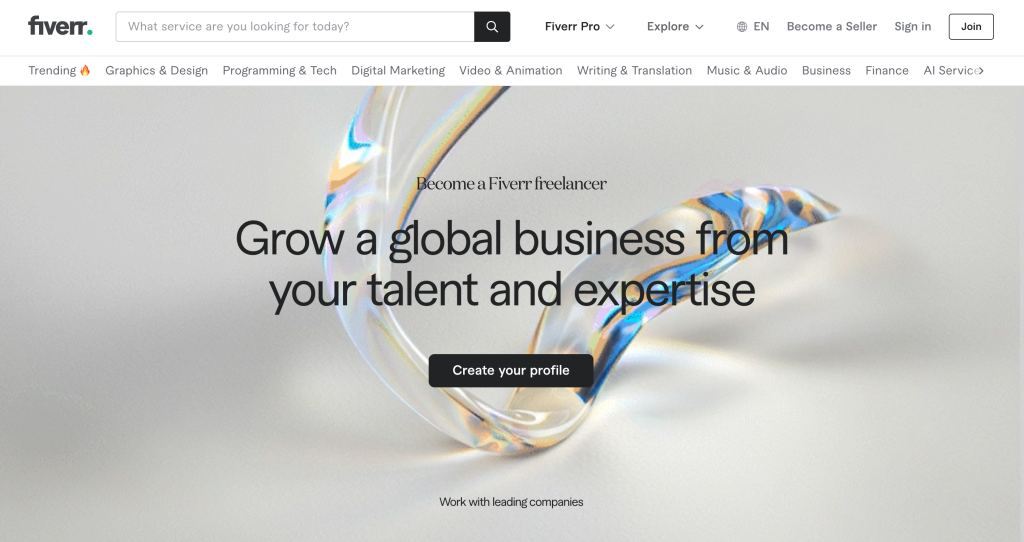
Fiverr works a little differently. Instead of bidding on jobs, you create “gigs” that describe exactly what you offer. Clients find you and purchase directly.
The thing is, it encourages you to start small and build up. If you’re just getting started, you can offer smaller services like proofreading a blog post, designing a simple banner or recording a short voiceover. As you complete orders and earn positive reviews, you can increase your rates. The platform makes it easy to see trends in what buyers are looking for so you can tweak your gigs to match demand.
2. Upwork
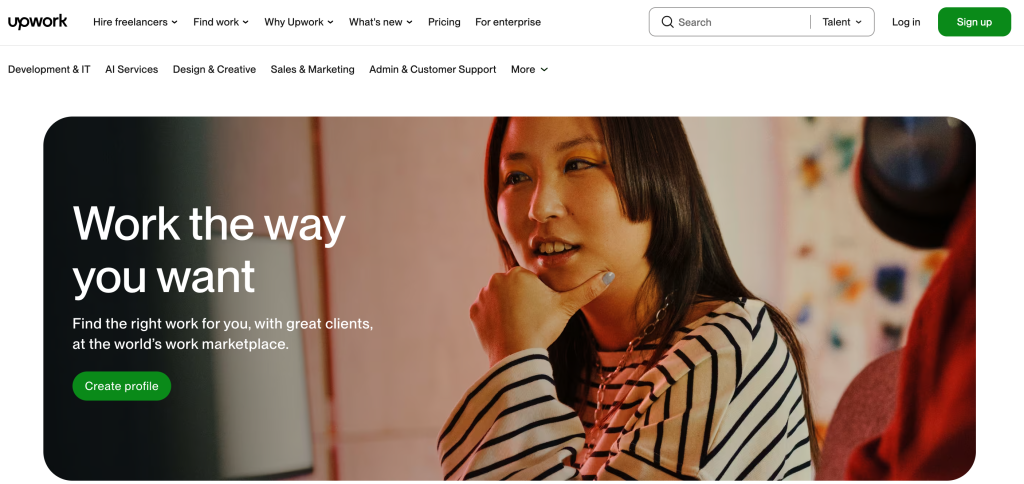
Upwork is one of the largest freelance marketplaces and it’s great for both beginners and seasoned pros. You create a profile, list your skills and then you can bid on projects that match your expertise.
Here’s how it works in practice: say you’re a graphic designer. You might find projects for logo design, social media graphics or even full branding packages. The platform handles contracts and payments, which takes a lot of the stress out of freelancing. You might notice that building a strong profile with samples of your work and clear rates makes a big difference in getting invited to higher-paying projects.
3. Freelancer
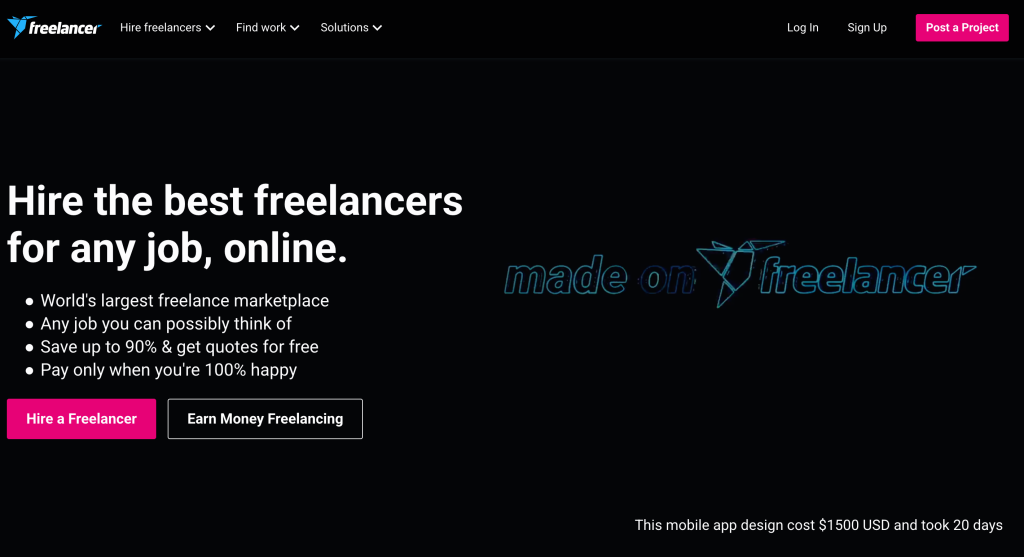
Freelancer is another large marketplace, similar to Upwork, but with some unique features. You can bid on jobs, enter contests or offer your services directly.
For example, let’s say you’re a web developer. You might bid on a project to create a small business website or enter a design contest where clients pick the winning entry. The variety means you can experiment with different project types and see which suits your style and schedule. Freelancer also offers milestone payments so you get paid as you complete portions of larger projects.
4. PeoplePerHour
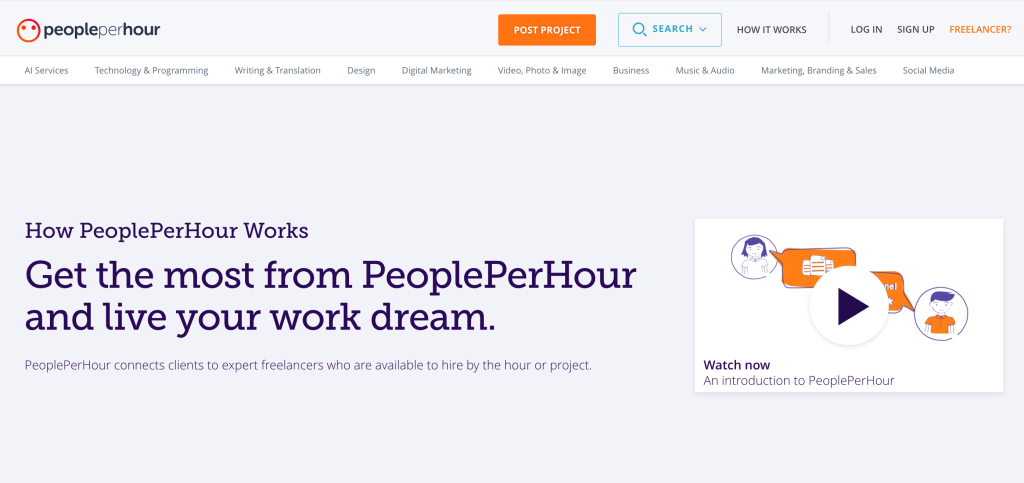
PeoplePerHour focuses on connecting freelancers with clients who need short-term or hourly work. The thing is, it’s especially useful if you prefer project-based work that doesn’t take months to finish.
Here’s how it works in practice: if you’re a copywriter, you might pick up a one-time gig to create website copy or blog content. PeoplePerHour allows you to propose your own rates or apply to client postings. You might notice that clear communication and realistic delivery timelines go a long way in building positive reviews.
Making Freelancing Work for You
The thing is, freelancing isn’t just about finding a gig and getting paid. It’s about building credibility, learning to communicate effectively with clients and gradually increasing your rates. You might notice that profiles with clear descriptions, sample work and realistic rates tend to attract better projects.
It also helps to diversify. Using more than one platform increases your chances of finding consistent work and discovering which types of projects you enjoy most. Over time, small gigs can add up, supplementing your income, paying bills or even funding new skills or tools to grow your freelance business.
Conclusion
If you want to start freelancing online, platforms like Fiverr, Upwork, Freelancer and PeoplePerHour give you solid options to get started. The key is consistency, patience and being willing to learn as you go.
Start small, build your portfolio and focus on providing quality work. Over time, you’ll understand which platforms and projects are the best fit for you. Freelancing is flexible, approachable and a practical way to turn your skills into income on your own schedule.