

Disclosure: This post may contain affiliate links, meaning I earn a commission if you sign up through my links, at no cost to you.
If you’ve ever snapped a photo that you loved and thought, “Maybe someone else would pay for this,” you could be right. The thing is, your smartphone or camera isn’t just for memories, it can also be a surprisingly practical tool to earn extra cash. Selling photos online has become more approachable than ever, even for beginners and there are apps that make it simple to get started.
It won’t replace a full-time income right away, but with consistency and a little creativity, you can turn your photography into a side hustle. Here are five of the best apps to sell photos online.

1. Foap

Foap is beginner-friendly and ideal for casual photographers. You don’t need a fancy camera as your smartphone photos work perfectly. The thing is, the app feels like a game, which makes uploading fun. You can also join missions, which are photo contests sponsored by brands looking for specific content.
Once your photo sells, you receive a 50/50 split of the sale price and payment is processed through PayPal. Some users find it motivating to check the app regularly and see what types of photos are trending as it helps guide what to capture next.
2. Dreamstime
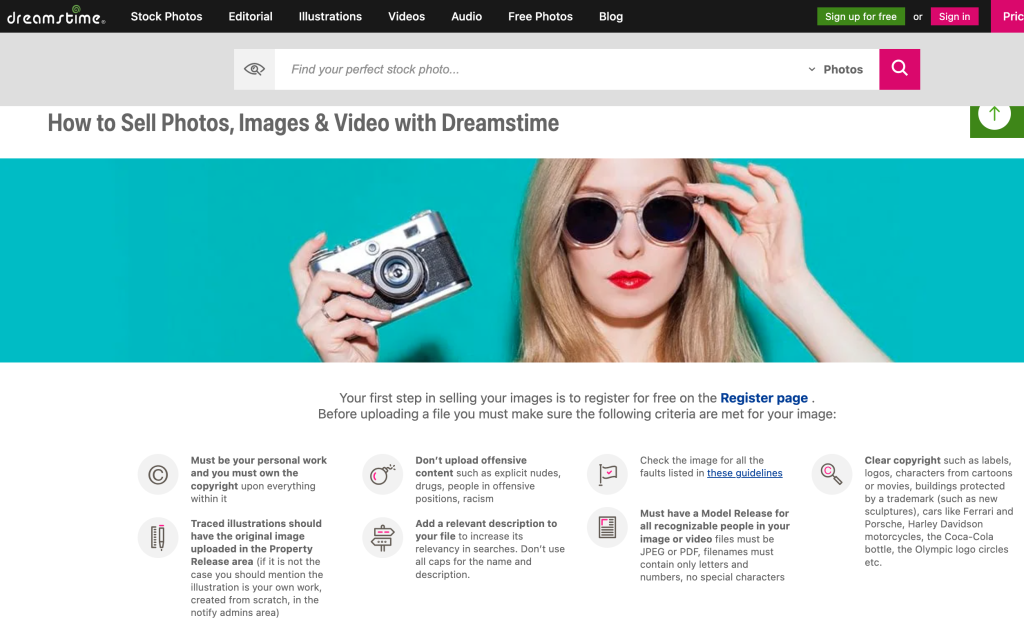
Dreamstime is a long-established platform that caters to a broad range of buyers. You might notice that it works well for more traditional stock photography, like landscapes, business imagery and seasonal content.
The thing is, the platform offers tutorials and resources for beginners so even if you’re new to selling stock, you can get a sense of what sells and why. Uploading your photos is straightforward and you set them for sale at prices that vary depending on size and license type. Over time, consistent uploads can help you build a portfolio that steadily earns.
3. Shutterstock

Shutterstock is one of the largest stock photo platforms in the world and that comes with pros and cons. The good news is the potential exposure is huge. The thing is, it can feel competitive because millions of images are already on the platform.
After you sign up and submit your images for review, you earn a royalty each time someone downloads your photo. Shutterstock also offers insights on keywords and trends, which helps you understand what buyers are looking for. Even if your first photos sell slowly, keeping your portfolio fresh and relevant can pay off over time.
4. Alamy

Alamy is known for higher payout rates compared to some other stock platforms. You might notice that it attracts buyers looking for editorial and creative content so unique, high-quality images often perform best.
The thing is, Alamy is straightforward about licensing and payments. Once your photo sells, you receive a percentage of the sale directly. You’ll also find that there’s less emphasis on trends and more on originality, which can be encouraging if you enjoy experimenting with different styles and subjects.
5. Adobe Stock

Adobe Stock is integrated with Creative Cloud, which makes it easy if you already use Adobe software like Lightroom or Photoshop. You can upload images directly from your editing workspace, which saves time.
The thing is, Adobe Stock pays royalties each time your image is licensed. You might notice that photos with clean composition, clear subjects and good lighting tend to sell more. Because it’s a professional-focused platform, maintaining quality is key. But even beginners can start building a portfolio and learn what buyers prefer as they go.
Making Photo Selling Work for You
The thing is, selling photos online takes patience and consistency. You won’t get rich overnight, but each image has the potential to earn multiple times. Upload regularly, pay attention to trends and think about what kind of content people might want to license. It could be lifestyle, business, seasonal events or even abstract concepts.
You might notice that some photos sell quickly while others take months. That’s normal. What matters is building a library of images, learning from what performs best and refining your skills over time. Many photographers use these earnings for extra spending, saving for future equipment or even funding other creative projects.
Conclusion
If you want to start selling photos online, apps like Foap, Dreamstime, Shutterstock, Alamy, and Adobe Stock provide approachable options for beginners.
Start small, pick a platform that feels comfortable and keep uploading. Over time, you’ll learn which types of photos sell, how to tag effectively and what lighting and composition work best. Selling photos online is flexible, creative and a surprisingly practical way to earn extra cash from your hobby or passion.