
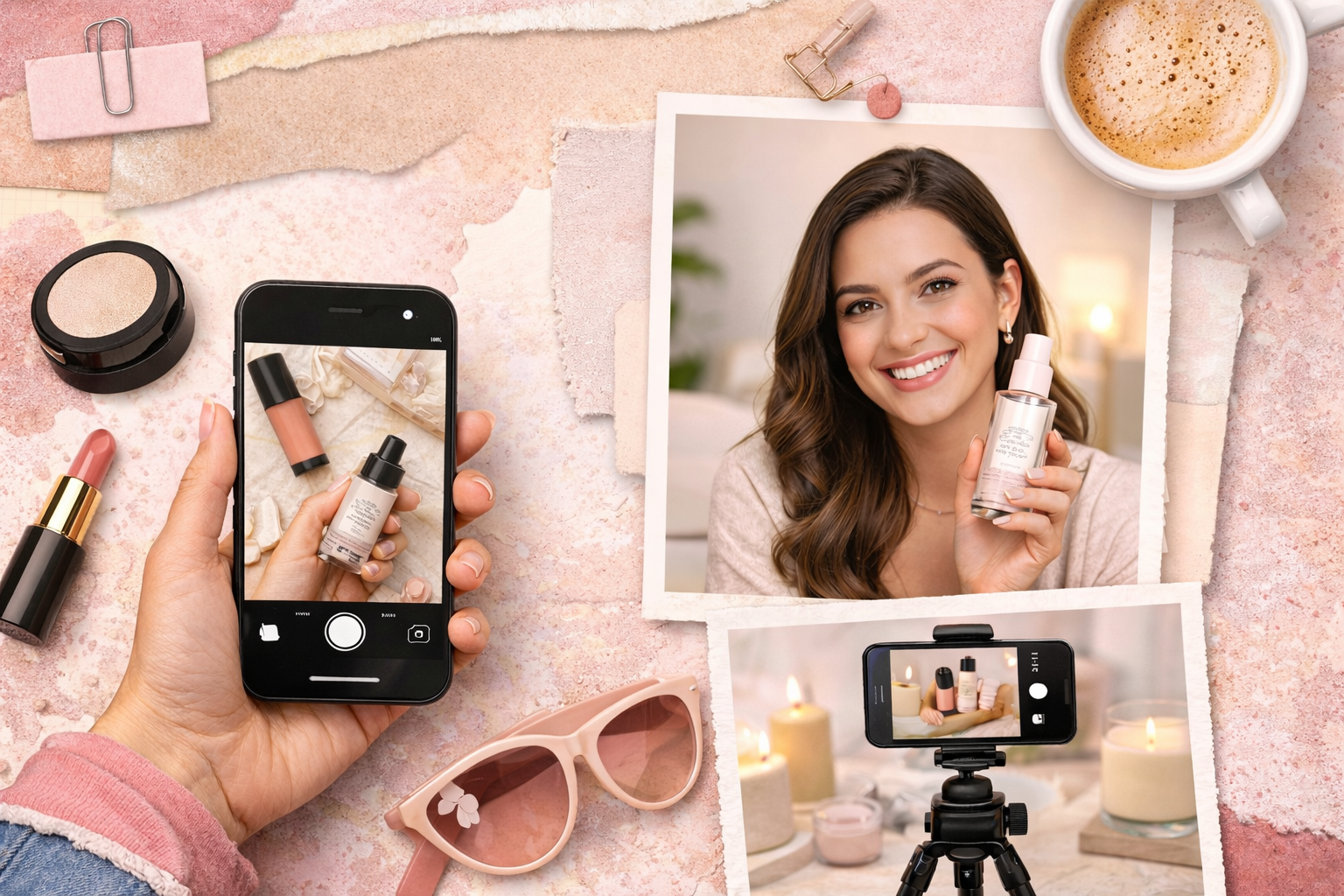
If you’ve ever scrolled through Instagram or TikTok and thought, “I could make content like this,” you’re right! User-generated content (UGC) has exploded in recent years. Brands are constantly looking for creators to produce authentic videos, photos and reviews to use in ads and social media campaigns.
You don’t need to spend hundreds of dollars on courses promising to turn you into a UGC pro overnight. You can start learning, creating and getting noticed without paying for it. Let’s break down how to get started in a way that actually makes sense for beginners.

Understanding What UGC Really Is
The first step is knowing what you’re stepping into. UGC is content created by everyday people like you and me that brands can use for marketing. Think product photos, short TikTok-style videos, testimonials or lifestyle shots featuring a brand’s product.
You might notice that this differs from traditional influencer work. You don’t need thousands of followers to get started. Brands care more about authenticity and the quality of your content than the size of your audience. That’s usually when beginners feel relieved because your phone camera and creativity are enough to begin.
Here’s an example of how it works. A friend of mine loves skincare, so she started posting simple videos reviewing products she already used at home. Brands noticed her content was natural and relatable. As such, within a couple of months, she was invited to create paid UGC for several skincare lines. No expensive courses required.
Start With What You Already Have
You might think you need fancy cameras or lighting setups, but that’s not true. Your smartphone is powerful enough to create content that brands want.
The key is using what you have effectively. Natural lighting, a clean background and clear audio go a long way. If you want to step it up a bit, apps like CapCut or InShot make editing simple and professional-looking. Canva is great for graphics or overlay text on videos.
You don’t need perfection at first. Brands are drawn to content that feels real and relatable. A quick video showing how you use a product in your daily routine often works better than a heavily staged shoot.
Build a Mini Portfolio
Even without a following, you can start showing brands what you can do. A mini portfolio is basically a collection of content you’ve created to demonstrate your style and quality.
Here’s how you can do it. Pick a few products you already use and make short videos or photos featuring them. For instance, if you love coffee, film a 15-second video showing your morning routine with your favourite mug. Upload these samples to Instagram, TikTok or even a simple Google Drive folder to share with brands.
You might notice that this approach builds confidence too. As you practice creating content regularly, your skills improve naturally. Within weeks, your mini portfolio can become enough to start landing paid opportunities.
Find Opportunities Without Paying for Courses
The good news is that many platforms connect creators with brands for free. Aspire, Billo, Insense and Trend are popular options. Each allows creators to apply for campaigns or be discovered by brands.
I have another friend who started with Billo. She browsed open jobs, applied to campaigns and submitted a few simple videos. She got her first paid project within days and used that experience to create a small portfolio.
The thing is, these platforms often don’t require a huge following. They care more about quality, consistency and authenticity. That’s usually when beginners realise that starting doesn’t have to be intimidating or expensive.
Learn by Doing
One of the best ways to grow as a UGC creator is simply by creating content. You don’t need a course to teach you. Observe trends on TikTok or Instagram, see what resonates and try your hand at similar styles for practice.
For example, short “unboxing” videos are popular. You could film yourself opening a product you already own and talk about why you like it. Over time, you’ll notice what types of shots, captions or angles get the most engagement. This trial-and-error learning is free and often more effective than paid courses.
You might notice that sharing content consistently helps brands see your style and reliability. That’s usually when opportunities start to come naturally.
Focus on Your Niche
Brands often prefer creators who specialise in a specific niche. It doesn’t have to be narrow, but having a theme makes your content more appealing.
So if you’re passionate about fitness, create content around workouts, supplements or gym accessories. If beauty excites you, focus on skincare routines or makeup tutorials. Niches help you become recognisable and make it easier for brands to match you with campaigns.
Be Professional Without Losing Authenticity
Even though UGC content is casual, brands expect professionalism. Respond promptly, follow briefs and deliver content on time. That’s usually when you start building trust and repeat opportunities.
You might notice that professionalism doesn’t mean stiff content. You can keep your voice natural and relatable while still meeting deadlines and guidelines. Brands love creators who are reliable and easy to work with.
Expand and Iterate
Once you start getting projects, keep improving. Experiment with new formats, video lengths and styles. Observe which content performs best and refine your approach.
Here’s how it works in practice, a creator I know began with short TikTok product reviews. After a few months, she expanded into Instagram Reels and lifestyle shots. Her portfolio grew and then she started receiving invitations for higher-paying campaigns. All without buying a course.
The key is consistency and curiosity. The more you create, the better you get and the more visible you become to brands.
Tools That Make Your Life Easier
Even on a budget, a few tools can help your content shine. Canva for graphics, CapCut or InShot for editing and Google Drive or Dropbox for organising files make a big difference.
You don’t need fancy cameras, but using natural light, clear audio and thoughtful composition can elevate your content. Sometimes a simple setup produces better results than a complicated one.
Conclusion
Becoming a UGC content creator doesn’t require expensive courses or thousands of followers. The main takeaway is that authenticity, consistency and practice matter more than flashy equipment or “secret formulas.”
Start with what you already have. Build a mini portfolio with products you love. Apply to free UGC platforms like Aspire, Billo or Insense and focus on creating content that feels real. Learn by doing, stick to a niche and maintain professionalism while keeping your personality intact.
At the end of the day, UGC lets you turn everyday creativity into practical repeatable and hopefully profitable content. Take that first step, start creating and see where it leads. You might be surprised at how rewarding it feels to see your content helping brands connect with real people while building your portfolio one project at a time.