

Disclosure: This post may contain affiliate links, meaning I earn a commission if you sign up through my links, at no cost to you.
If you’ve ever typed “how to make money online” into Google, you already know how overwhelming the results can feel. One minute you’re curious. The next minute you’re dodging sketchy promises and vague advice that sounds too good to be true.
The thing is, making money online is possible. Not overnight. Not without effort. But in realistic, practical ways that fit around your life.
What matters most is starting with platforms that are actually legit. Places that real people use every day to earn, sell, create and grow something sustainable.
These are ten well-known websites where people earn online in different ways. Some are great for beginners. Others work better once you’ve built a skill or audience. All of them are established platforms with clear rules and real use cases.
Let’s walk through them like friends chatting over coffee and figuring out what might work for you.

1. Fiverr: Where People Buy and Sell Services
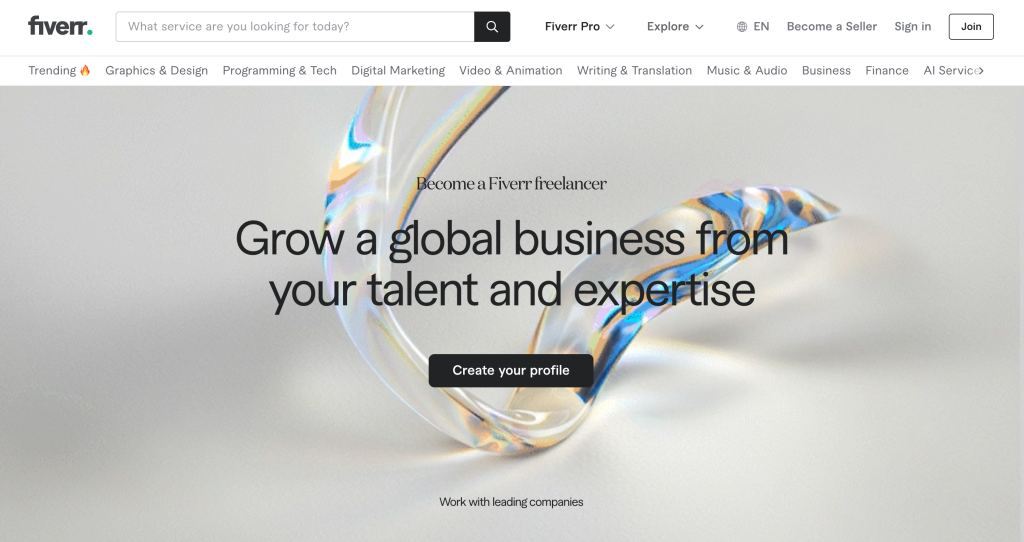
Fiverr is one of the easiest places to turn a skill into income.
You don’t need to be the best in the world. You just need to solve a problem someone is willing to pay for.
People sell writing, design, video editing, voiceovers, data entry, social media help and thousands of other services. Some gigs take ten minutes. Others become long-term client relationships.
What matters here is clarity. Buyers want to know exactly what they’re getting. When your gig explains who it’s for and what outcome it delivers, it stands out.
That’s usually when people realize they have more skills than they thought. If you can format resumes, create simple logos, edit podcasts or even organize spreadsheets, there’s likely demand.
Fiverr takes a cut, but it also brings the traffic. For many freelancers, it becomes a starting point that leads to off-platform clients later.
2. Prolific: Get Paid for Academic Research Studies

Prolific is one of those platforms that doesn’t get flashy attention but quietly works really well.
It connects researchers from universities and institutions with everyday people who are willing to participate in studies. These can include surveys, short tasks, experiments or interviews.
Why this matters is simple. Unlike many survey sites, Prolific focuses on fair pay and quality research. Researchers set clear expectations and you see the payment before you start.
Here’s how it works in practice. You create a profile with honest demographic information. Prolific then matches you with studies you actually qualify for. When you complete a study, the payment goes directly to your account.
Most studies don’t take long. Some last five minutes. Others may take half an hour or more. You might notice that availability depends on your background and location, so it’s not something you can scale endlessly. Still, it’s a reliable way to earn extra money during downtime without jumping through hoops.
3. Amazon Associates: Earn Money by Recommending Products

You’ve probably clicked an Amazon link in a blog post or YouTube description before. That’s affiliate marketing in action.
Amazon Associates lets you earn a commission when someone buys a product through your recommendation link. You’re not creating products or handling shipping. You’re simply pointing people to things they already want or need.
Why this works is trust. If you genuinely help someone decide what to buy, the commission becomes a natural bonus.
This is especially useful if you already write blog posts, post on social media or run a YouTube channel. For example, someone who writes about home organization might link to storage bins they personally use. A tech reviewer might recommend accessories they test daily.
The key is relevance. Random links don’t convert well. Helpful context does.
Amazon’s commissions vary by category and they’re not huge per sale. But they add up over time, especially when content keeps working long after you publish it.
4. Redbubble: Sell Your Artwork Online

Redbubble is perfect if you’re creative but don’t want to deal with inventory or shipping.
You upload your artwork and Redbubble prints it on products like t-shirts, stickers, phone cases and posters. When something sells, you earn a margin on top of the base price.
Why this matters is accessibility. You don’t need a warehouse or upfront costs. Your designs live online and sell passively once they’re uploaded.
Artists, illustrators and even hobby designers use Redbubble to test ideas. Some designs flop. Others quietly sell for years.
Success here usually comes from consistency and niche appeal. Instead of designing for everyone, you might focus on specific interests like pets, hobbies or humor styles. People love finding designs that feel made just for them.
5. Beehiiv: Make Money Writing Newsletters
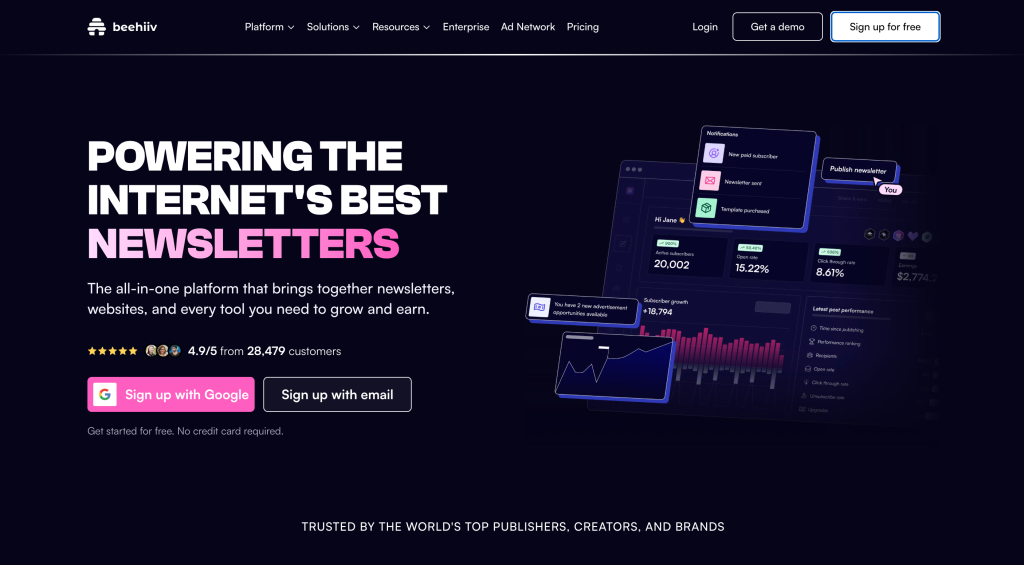
Newsletters have made a real comeback and Beehiiv is one of the platforms leading the way.
Beehiiv lets you publish email newsletters and monetize them through ads, subscriptions or referrals. What makes it appealing is how creator-friendly the platform feels.
Why newsletters matter is ownership. Social platforms change algorithms. Email lists stay with you.
You don’t need a massive audience to start. Many newsletters begin as weekly thoughts, curated links or insights around a specific topic. Over time, readers stick around because they like your voice.
Beehiiv makes monetization optional and flexible. You can focus on writing first and explore income later when it feels right.
6. Flippa: Buy and Sell Websites

Flippa is a marketplace for digital assets like websites, blogs, apps and online businesses.
This matters because websites are assets. They can generate traffic, income or both. Some people buy underperforming sites and improve them. Others build sites from scratch and sell them once they’re stable.
You might notice that this isn’t beginner-friendly in the same way surveys or freelancing are. There’s a learning curve. You need to understand traffic, revenue and basic valuation.
Still, for people interested in digital investing or online business strategy, Flippa opens doors to a side of the internet many never see.
7. Podia: Sell Your Knowledge Online

Podia helps you sell digital products like courses, workshops, downloads and memberships.
Why this works is simple. If you’ve learned something useful, someone else is probably a few steps behind you.
You don’t need to be an expert with credentials. You just need clarity and the ability to explain things in a way that makes sense.
Podia handles hosting, payments and delivery. That means you can focus on creating something helpful instead of wrestling with tech.
This works especially well for coaches, creators and professionals who want to package what they already know into something scalable.
8. Gumroad: Sell Your Digital Products

Gumroad is one of the simplest ways to sell digital products online.
Think ebooks, templates, presets, guides or even one-off files. You upload your product, set a price and share the link.
Why people love Gumroad is how lightweight it feels. There’s no pressure to build a huge store. Many creators use it alongside social media or newsletters.
You might see writers selling short guides or designers selling Notion templates. Small products priced fairly can still add up over time.
9. Gelato: Print Your Designs Anywhere in the World

Gelato is a print-on-demand platform that focuses on global production.
Like Redbubble, you upload designs. The difference is flexibility. Gelato integrates with e-commerce platforms so you can build your own branded store.
Why this matters is control. You choose pricing, branding and customer experience while Gelato handles printing and shipping locally.
It’s popular with entrepreneurs who want to sell physical products without managing logistics. Posters, apparel and wall art are common starting points.
10. Twitch: Make Money While Streaming

Twitch lets creators earn by streaming live content, most often gaming but also art, music and chatting.
Why Twitch works is connection. Viewers don’t just watch content. They build relationships with streamers they enjoy.
Income can come from subscriptions, ads and viewer donations. It takes time to grow and consistency matters more than perfection.
Many streamers start with small audiences and treat it as a creative outlet first. The income grows alongside the community.
Conclusion
Making money online isn’t about chasing every platform at once. It’s about finding one or two that fit your skills, interests and schedule.
Some options work best for quick extra income. Others reward patience and creativity over time. None of them promise instant results and that’s actually a good thing.
Start small. Explore one platform. Pay attention to what feels sustainable.
You don’t need to do everything. You just need to start somewhere and keep learning as you go.
If you’re curious to explore deeper strategies or tools, keep digging into resources that focus on long-term growth rather than shortcuts. That’s usually where the real progress happens.